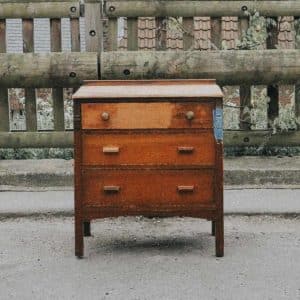



Upcycling wooden furniture is an increasingly popular practice. It's an eco-friendly and creative way to give a second life to pieces often steeped in history. In this article, we guide you through the essential steps to transform your wooden furniture, emphasizing environmentally responsible techniques aligned with Recyclage Market's values.
Materials and tools needed
Giving new life to an old piece of furniture requires careful preparation, particularly in terms of materials and tools. This step is crucial to guarantee not only the quality of the final result, but also the respect for the environment throughout the process. Here is a practical guide to help you equip yourself effectively.

List of basic materials
To restore the wood's vitality and freshness, certain materials are essential. You will need:
-
- Choose the paint and varnish according to the desired effect: matte, satin or glossy.
-
- The primer (if necessary) ensures better adhesion of the paint to the wood.
-
- Sandpaper is useful for sanding it and obtaining a smooth surface.
-
- Clean cloths may be needed to remove dust after sanding.
-
- A protective mask and gloves are essential for your safety
These materials form the basis of any DIY project. However, the key to a successful project lies in the choice of high-quality and environmentally friendly products.
Selecting the right tools
Tools play just as important a role as materials. Here are the ones you should have on hand:
-
- An electric sander (optional) makes sanding easier on large pieces of furniture.
-
- Rollers and brushes of different sizes for details and large areas
-
- a spatula or putty knife to fill any holes or cracks in the wood
Investing in good quality tools is long-term economic, because they can be reused for numerous projects of makeover of second-hand furniture.
Tips for choosing eco-friendly products
Environmental considerations are paramount when choosing your materials and tools. Here are some tips for a greener approach:
-
- Opt for water-based paints and varnishes because they emit less VOC and are easier to clean.
-
- Look for eco-labels such as the European Ecolabel or the Blue Angel label for a reduced impact on the environment.
-
- Opt for reusable tools such as washable brushes and rollers rather than disposable.
Key steps to revamp a wooden piece of furniture
Transforming a piece of furniture is an exciting project that allows you to turn an ordinary object into a centerpiece of your interior design. To achieve a result that meets your expectations, it's essential to follow certain key steps. Here's a detailed guide to help you through this creative process.

Furniture preparation and cleaning
The first step is to prepare and thoroughly clean your furniture. Start by removing the handles, hinges, or any other metal parts. Then, clean the furniture with a damp cloth to remove accumulated dust and dirt.
If the furniture shows traces of grease or old varnish, a more thorough cleaning with a A mild degreaser may be necessary.. This step is crucial to ensure good adhesion of the new coatings.
Sanding and wood treatment
Once the piece of furniture is clean and dry, proceed to sanding. This step aims to remove the old finish and smooth the surface for a uniform application of the new paint or varnish. Use medium-grit sandpaper for the first few passes, then finish with a finer grit for a perfectly smooth surface.
Don't forget to wear A mask and protective goggles to protect you from wood dust. After sanding, wipe the furniture with a damp cloth to remove all traces of dust.
Painting, varnishing or staining
Choose your finish: paint, varnish, or stain, depending on the desired effect. Apply a primer coat if necessary, especially if you are working on dark or stained wood, to ensure a uniform color. Let it dry according to the manufacturer's instructions, then proceed to apply your finish, respecting the recommended number of coats.
Each coat must be completely dry before applying the next. For best results, use quality brushes and work in a well-ventilated area.
Custom finishes and touches
The final step is where you can really let your creativity flow. Add personalized touches as a finishing touch. For example, you can:
-
- Create unique designs with stencils or by painting hand-drawn patterns.
-
- Pasting images, wallpaper or fabric on the furniture for an artistic effect.
-
- Replace the handles, hinges and feet to modernize the furniture.
-
- Using techniques such as uneven sanding or the application of special waxes for a vintage effect.
-
- Cover certain parts of the furniture, such as drawers or doors, with fabric for a touch of softness.
-
- Add metal details, such as plates or grids, for an industrial look.
-
- Engraving patterns or texts on wood for deep personalization.
-
- Integrating lighting solutions, such as LEDs under the shelves, to combine aesthetics and functionality.
-
- To embellish the top of a table or piece of furniture with a glass or ceramic mosaic for a striking visual effect.
-
- Add knitted or crocheted items for a cozy and unique touch.
Once all the finishes have been applied, you can protect your furniture with a layer of wax or protective varnish, ensuring its durability and resistance to stains and scratches.
Inspirations and ideas for giving new life to an old piece of furniture
Furniture makeovers are a creative adventure that offer endless possibilities for transforming your living space. Whether you're a DIY enthusiast looking for inspiration or an interior design aficionado eager to personalize your home, here are some popular ideas and styles to guide your project.
Popular styles for upcycling furniture
-
- Scandinavian
Characterized by its simplicity, clean lines and use of light colors, Scandinavian style prioritizes functionality without sacrificing aesthetics. Opt for... white paints or pastel shades, and add some touches of natural wood for a warm and welcoming atmosphere.
-
- Boho Chic
This eclectic style blends textures, patterns and colors to create a vibrant and welcoming space. Use techniques such as cutting, effect painting, or colored varnish to add a bohemian touch to your furniture.
-
- Industrial
Inspired by lofts and workspaces, the industrial style combines raw wood with metal elements. To revamp your furniture, consider incorporating metal finishes, such as iron handles or casters, and opt for dark colors or distressed effects.
-
- Vintage or Shabby Chic
This romantic and nostalgic style is perfect for breathing new life into old furniture. Use patina or aging techniques to create a worn effect, and choose soft colors like the Off-white, powder pink or sky blue.
Before/after examples
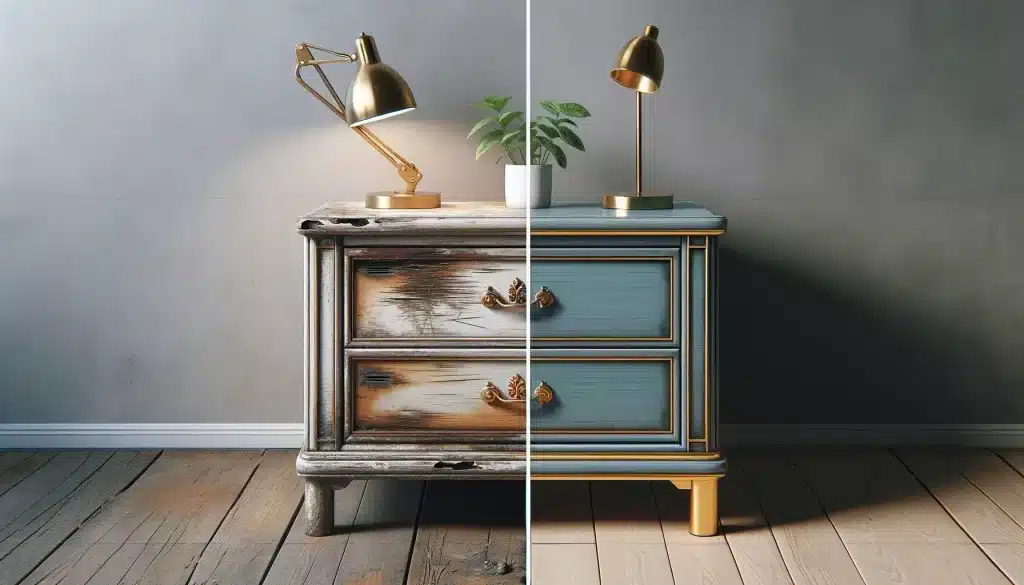
Before-and-after transformations are an invaluable source of inspiration and demonstrate the impact this type of project can have. For example, an old, dark oak wardrobe can be transformed into a sleek, modern piece with white paint and new brass knobs. Or, a neglected coffee table can become the focal point of a living room thanks to careful sanding and a linseed oil finish, revealing the wood's natural beauty.
Tips for adapting it to your interior decor
-
- Evaluate your space
Before you begin, consider the overall aesthetic of your room and think about how the revamped piece of furniture will fit in.
-
- Play with the colors
Use the color of your furniture to complement or contrast with your existing color palette, thus creating visual interest.
-
- Mix the textures
Combine smooth surfaces and glossy finishes with more rustic or natural elements to add adding depth to your space.
-
- Add accessories
Don't underestimate the impact of small details. Handles, furniture legs, or even an added shelf can completely transform the look of a wooden chest of drawers.
Mistakes to avoid when refinishing furniture
Upcycling an old piece of furniture can radically transform your living space. However, a few common mistakes can jeopardize the success of your project. To guarantee a result you'll be proud of, here are the pitfalls to avoid.

Neglecting the preparation of the furniture
Preparation is a crucial step that is often underestimated. Failing to clean the furniture properly, Failure to sand it properly, or to treat imperfections, can lead to uneven finishes. This can also lead to a poor adhesion of the paint or varnish.
For example, insufficient sanding can leave visible marks under the new coat of paint, affecting the final appearance of the furniture. Similarly, failing to clean the surface can prevent the paint from adhering properly, leading to premature flaking.
Choosing the wrong materials or tools
Using inappropriate materials or tools can affect not only the aesthetics of the refinished furniture but also its durability. Choosing ordinary interior paint for an object intended for outdoor use, in particular, can lead to... rapid aging and discoloration due to weathering. Similarly, the use of poor-quality brushes can leaving hairs on your furniture. This will ruin the smooth finish you were hoping to achieve.
It is estimated that the use of quality materials and tools can increase the lifespan of your furniture by 50% or more, guaranteeing a professional and durable finish.
Underestimating the time needed for a quality makeover
A successful makeover requires time and patience. Rushing the process can lead to shortcuts and mistakes that compromise the final result. Not allowing enough time for the paint or varnish to dry completely between coats can result in a sticky finish that attracts dust and fingerprints. Similarly, rushing the preparation stage can mean omitting important steps, such as treating the wood or applying a primer coat, which are essential for a durable finish.
It is important to allocate sufficient time for each step of the process., from preparation to final touches. A survey among DIY enthusiasts revealed that projects completed in less time than recommended were more likely to require... tweaks or a complete overhaul within the year.
How Recycling Market supports the upcycling of old furniture
Recycling Market plays a key role in promoting the upcycling of old furniture, perfectly aligning its actions with the principles of sustainable development. By providing a platform dedicated to giving objects a second life, Recyclage Market not only reduces waste; it also encourages creativity and local craftsmanship.

Recycling Market's mission in support of sustainable development
Recyclage Market's primary mission is to actively contribute to a more sustainable future by reducing the amount of waste generated through consumer goods. By focusing on furniture transformation, Recyclage Market offers a a concrete alternative to buying new. The company actively participates in the reduction of the carbon footprint associated with the production of new furniture. This approach is part of a circular economy approach, where each piece of furniture can be valued and transformed, rather than thrown away.
Examples of transformation projects carried out with Recyclage Market
Recycling Market has inspired many successful transformations. An old oak bookcase, for example, was saved from the landfill. A DIY enthusiast transformed it into a chic storage unit for a modern kitchen.
Another project saw a worn chest of drawers restored to its former glory. After a careful makeover, it now enhances a contemporary bedroom. These examples clearly demonstrate how to revitalize forgotten furniture and modernize it.
Tips for finding furniture to upcycle at Recyclage Market
Finding the perfect piece of furniture to transform at Recyclage Market is an adventure in itself. Here are a few tips to help you unearth that hidden gem:
-
- Visit regularly Furniture section of the site because new items arrive constantly, and good deals go quickly.
-
- Define your needs and your preferences can help you make a quick selection.
-
- Be open to hidden potential, because a piece of furniture that seems uninteresting at first glance can be transformed into a centerpiece with a little imagination and work.
-
- Contact the seller for more information or visit our store directly at Chemin de Verney 2, 1024 Ecublens, Switzerland.
Conclusion
Transforming wooden furniture is a creative and ecological adventure that allows us to personalize your space while taking action for the planet. Thanks to Recyclage Market, giving furniture a second life becomes a a simple and deeply meaningful gesture both. It's not just a matter of decoration, but a real commitment to a sustainable future.
So, whether you're a DIY novice or expert, give furniture embellishment a try. Each project is an opportunity to transform not only an object, but also our approach to consumption. With creativity and ecological awareness, let's beautify our daily lives together and contribute to a greener world.